
Expert Advice, No Cost – Schedule Your Free Consultation!
Parkinson’s Treatment
Parkinson’s does not arrive politely. It interrupts handwriting. It changes the way a foot clears a curb. It can turn a simple button into a negotiation. At Reju Stem Cells in Jacksonville, we guide patients through Stem Cell Therapy for Parkinson’s Treatment with a structured medical process built around safety, screening, and measurable goals. We keep it grounded. We also coordinate your broader plan so our work can align with your neurologist’s strategy through Stem Cell Therapy in Jacksonville, FL.
Parkinson’s disease is a progressive neurological condition often linked to disruption in dopamine signaling networks. Motor symptoms can include tremor, rigidity, slowness of movement, changes in gait, reduced arm swing, and balance challenges. Yet many patients also deal with non-motor burdens such as sleep disruption, constipation, fatigue, anxiety, depression, pain, and cognitive strain. Symptoms can fluctuate across the day, especially as medication timing becomes more delicate. We start by mapping your pattern, not by guessing.

For many patients, levodopa-based therapy remains the core of symptom management. Some patients explore advanced care pathways such as deep brain stimulation, focused ultrasound for certain tremor presentations, or infusion strategies designed to smooth medication delivery. These tools can meaningfully improve select symptoms. Still, many patients notice gaps. They may want better consistency, less volatility, fewer “off” windows, or more stamina in daily living. That is often where adjunct strategies come into play.
We do not dramatize. We do not oversimplify. We treat regenerative medicine as a field with active research, evolving protocols, and real unknowns. The brain is complex. Immune signaling matters. Mitochondrial function matters. Neuroinflammation may matter. The blood-brain barrier matters. That is exactly why we emphasize careful screening and realistic outcomes. We aim for measurable improvements, not miracle language.
We begin with medical clarity and risk assessment. We review diagnosis history, symptom progression, imaging and lab context when available, and medication schedules, including “on” and “off” patterns and dyskinesia risk. We assess fall history, gait stability, sleep quality, pain burden, swallowing concerns, and cognitive red flags. We establish baselines using functional, real-world markers such as walking tolerance, balance confidence, dexterity tasks, fatigue interference, and activities of daily living. Then we decide if moving forward makes sense. We define what success would look like for you, in plain language you can test in real life.
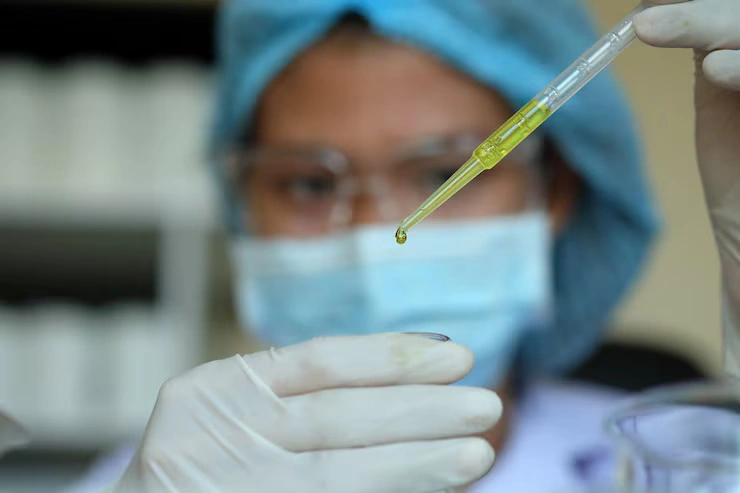
In regenerative medicine, quality control is not a slogan. It is the difference between confidence and chaos. We are stakeholders in the laboratory involved in producing biologic materials, which allows tighter oversight across sourcing, processing, testing, storage, and handling. We treat chain of custody like a safety system, because it is. Patients deserve transparency about standards, not vague reassurance.
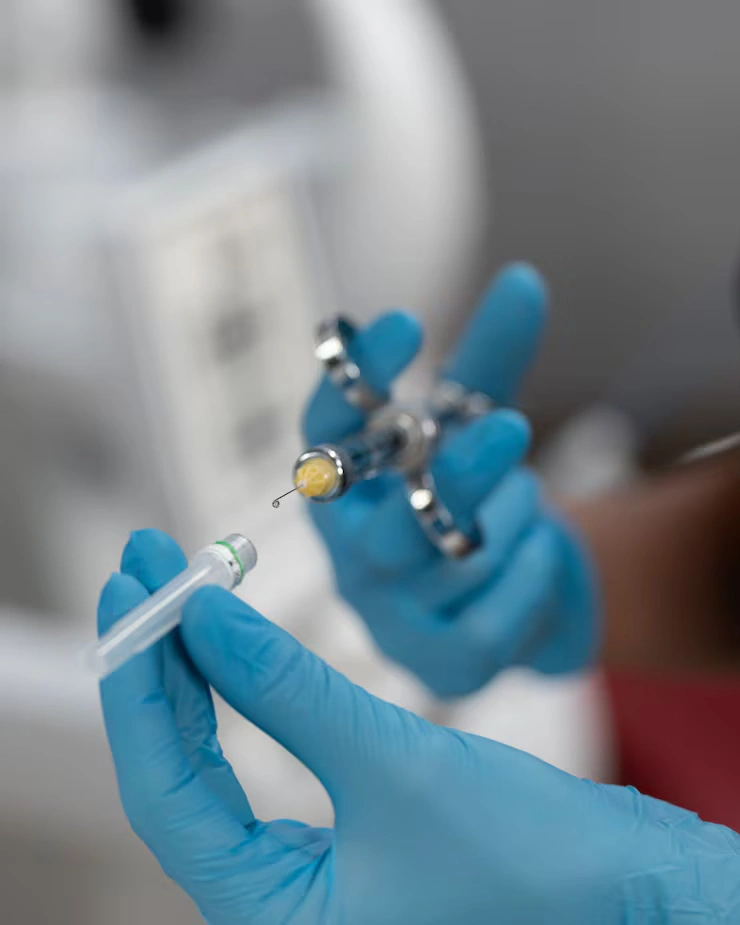
Cells are not solitary actors. Modern research also examines signaling mechanisms, including vesicles that may influence immune balance and tissue environment. We discuss this carefully and precisely, because responsible care requires it. We explain what is understood, what is emerging, and what remains investigational. When patients ask about Stem Cell Therapy for Parkinson’s, we translate broad terms into specific decisions and documented follow-up.
Travel can drain energy. Uncertainty drains it faster. Our concierge model is designed to protect your bandwidth while keeping care organized. Depending on medical suitability, we may coordinate supportive services that focus on recovery physiology, such as hyperbaric oxygen therapy or medically supervised IV support. If orthopedic pain limits movement, we may also discuss PRP for joints or soft tissue when appropriate. We stay clear about purpose. These services are not cures for Parkinson’s. They may support the body systems that make rehabilitation, sleep, and daily consistency easier to sustain.
We do not rely on vibes. We build a before-and-after framework that respects your lived experience and still demands accountability. We track gait stability, daily step tolerance, dexterity confidence, sleep continuity, fatigue severity, pain interference, and the moments that matter to families, such as safer transfers, fewer near-falls, and more reliable mornings. If something helps, we want to see it repeatedly. If it does not, we adjust direction rather than forcing a story.
We are selective because safety matters and interpretability matters. We prefer patients with a confirmed diagnosis, a stable care relationship with a neurologist, and the willingness to track symptoms honestly. We evaluate infection risks, immune considerations, cardiovascular stability, medication complexity, and functional support needs. We also look for readiness, because any program fails when the patient cannot participate fully.
Jacksonville is increasingly recognized for modern medical infrastructure and a recovery-friendly environment for international patients. We support logistics that often become hidden stressors, including airport pickup, lodging coordination, scheduling flow, and on-site guidance. We also build rest into the itinerary because nervous systems do not improve when every hour is rushed.
Cost depends on clinical complexity, the protocol recommended after review, supportive services included, and follow-up planning. After we evaluate records and goals, we provide transparent pricing. Many patients also compare the total cost to U.S. options and find Jacksonville can be more affordable while still offering high-touch coordination.
For symptom control today, levodopa-based therapy remains central for many patients, and advanced options such as deep brain stimulation can help selected movement symptoms when medication no longer provides stable coverage. Researchers are also exploring new medication classes, delivery systems, and investigational cell-based approaches aimed at supporting dopamine-related pathways. We help you distinguish established care from active research.
Coverage varies by insurer, policy details, and whether a therapy is categorized as standard of care or investigational. Many regenerative programs are not covered. We can provide documentation that some patients use for reimbursement attempts or health spending accounts, but we encourage direct confirmation with your carrier before travel.
“New” can mean recently approved symptom therapies, newer device-aided options, and also clinical trial approaches under investigation. In recent years, additional infusion and device strategies have expanded options for selected patients, alongside an active pipeline of novel drugs and cell-related research. We explain what is accessible now, what may require trials, and what questions to ask your neurologist.
The “5-2-1” criteria is a practical screening concept some clinicians use to flag possible advanced Parkinson’s disease and the need to discuss advanced therapy options. It can refer to needing oral levodopa at least five times per day, having at least two hours of “off” time per day, or having at least one hour per day of troublesome dyskinesia. Meeting one or more criteria can be a signal to consult a movement-disorder specialist.
We do not promise a cure. We aim for measurable gains in function, comfort, and quality of life. That might mean steadier walking, fewer days ruled by stiffness, improved sleep rhythm, reduced pain interference, or stronger confidence in daily routines. We align expectations before treatment so progress is interpreted responsibly and communicated clearly to your support network.
Marketing language can blur terms until they mean everything and nothing. When patients ask about Regenerative Therapy for Parkinson’s Disease, we convert that phrase into clinical choices: what exactly is being delivered, why it is being considered, what risks are relevant, and what outcomes we will measure. You may also see Cellular Therapy for Parkinson’s used broadly online. We treat it as a category label, then narrow it into a protocol with defined steps, defined monitoring, and defined follow-up.

We do not rush decisions. We educate first. We review records. We tell you if we believe you are not a fit. If we do proceed, we coordinate your visit so your energy is protected and your experience is organized. We stay responsive during the window when questions spike, and we keep the plan clear from consultation through follow-up.
If you are tired of noise and ready for a disciplined medical conversation, we are ready to meet you with clarity. We can also discuss adjacent programs, including Stem Cell Therapy for Lyme Disease, when inflammation, fatigue, and systemic stress overlap with broader recovery goals. Book your free consultation with Reju Stem Cells today and take the next step with Stem Cell Therapy for Parkinson’s Treatment.